Why Choose Industrial Rugged PC for Your Business Needs?
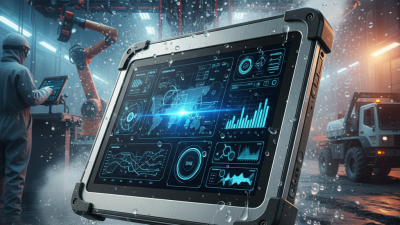
In today’s demanding business environment, choosing the right technology is critical. An industrial rugged PC stands out as a reliable choice. These devices are designed to operate in extreme conditions. Dust, moisture, and temperature variations pose challenges for standard computers. However, an industrial rugged PC can withstand these adversities, offering durability and performance.
Businesses often overlook the significance of rugged solutions. They may prefer cheaper alternatives that ultimately fail in harsh settings. This choice leads to costly downtime and repairs. An industrial rugged PC, while initially more expensive, provides long-term savings. Investing in quality technology ensures productivity and safety, especially in industries like manufacturing and logistics.
Rugged PCs are not just robust; they also feature advanced technology. They often include upgraded processors and enhanced graphics capabilities. This combination allows for efficient data processing and real-time analytics. However, selecting the correct model can be complicated. Consider factors like workload requirements and environmental conditions. A thoughtful approach helps in making the best choice for your business needs.
Benefits of Rugged PCs in Industrial Environments
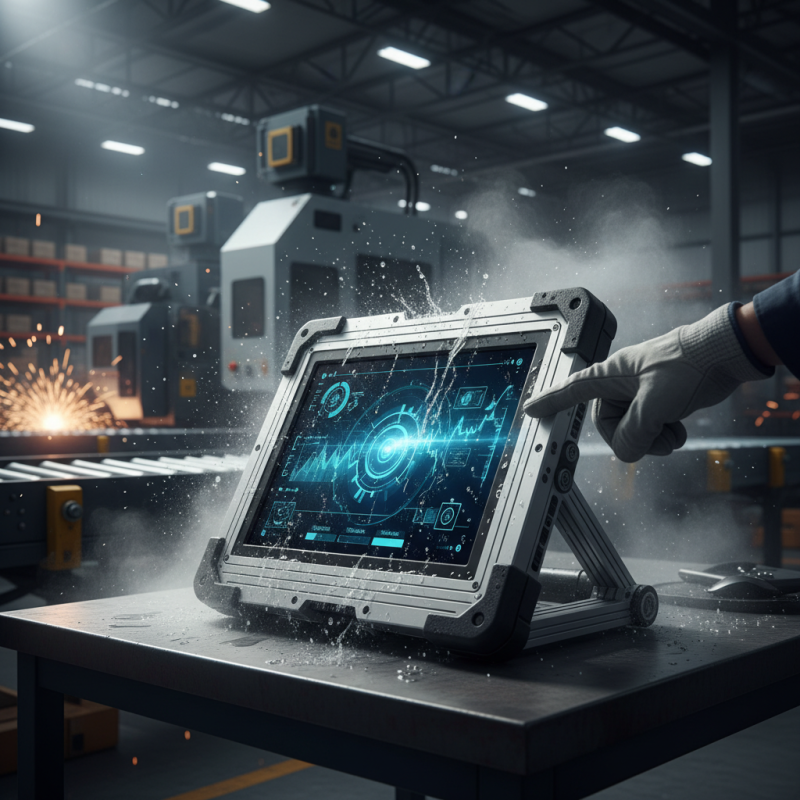
In industrial environments, the durability of technology can mean the difference between success and failure. Rugged PCs are built to withstand harsh conditions. They often feature reinforced casings, making them resistant to dust and moisture. This resilience is crucial in factories or outdoor sites where traditional devices might fail.
The reliability of rugged PCs extends to their performance under extreme temperatures. Many operate effectively in both high heat and freezing cold. This adaptability enhances workflow efficiency. Additionally, these devices are often equipped with shock-resistant components to handle heavy vibrations. In an industrial setting, a device that can endure bumps and drops is valuable.
However, investing in rugged PCs requires careful consideration. While they are sturdy, not all rugged devices are the same. Some may have features that are not necessary for every application. Understanding specific business needs can help select the most appropriate technology. It's essential to reflect on both the advantages and potential limitations of rugged PCs to ensure they align with operational goals.
Why Choose Industrial Rugged PC for Your Business Needs? - Benefits of Rugged PCs in Industrial Environments
| Feature |
Description |
Benefit |
| Durability |
Built to withstand harsh environments including extreme temperatures, dust, and moisture. |
Reduced maintenance costs and longer equipment lifespan. |
| Performance |
High processing power to run resource-intensive applications. |
Improved productivity and efficiency in operations. |
| Connectivity |
Support for various connectivity options such as Wi-Fi, Bluetooth, and GPS. |
Enhanced communication and real-time data access. |
| Customization |
Flexibility to configure hardware and software as per business needs. |
Tailored solutions that enhance operational workflows. |
| Energy Efficiency |
Designed to consume less power while maintaining performance. |
Lower operating costs and fewer environmental impacts. |
Key Features That Define Industrial Rugged PCs
Industrial rugged PCs stand out for their ability to withstand extreme environments. These devices are designed with durable casings, often made from reinforced materials. They resist dust, moisture, and extreme temperatures. This resilience ensures continuous operation, even in harsh conditions. Industries like manufacturing and logistics benefit greatly from these features.
Powerful performance is another defining characteristic. Rugged PCs offer strong processors and ample memory. This enables them to run demanding applications smoothly. Users can expect reliability when processing large amounts of data. Additionally, many models come with extensive connectivity options, ensuring compatibility with various equipment. These features enhance productivity in fast-paced settings.
Yet, not all rugged PCs meet every need. Some may lack specific configurations, making them unsuitable for niche applications. Understand your requirements before purchasing. The market is diverse, and finding the right device can be challenging. Consider warranties and support services as part of your evaluation. They can greatly influence your overall satisfaction with the product.
Comparative Analysis: Rugged PCs vs. Standard PCs in Durability
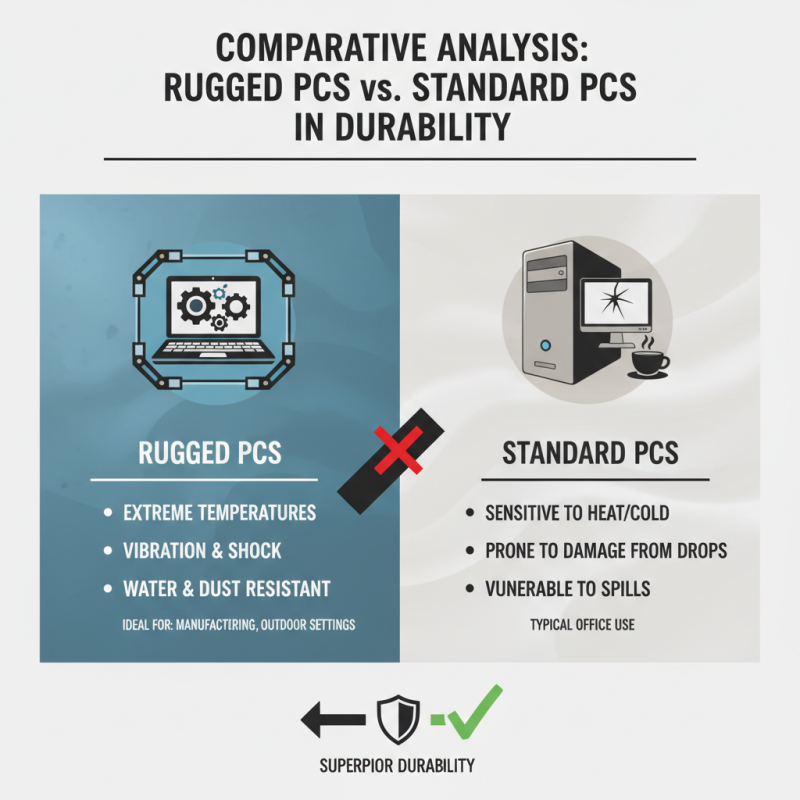
When considering durability, rugged PCs stand out against standard models. Rugged PCs are designed for harsh environments. They can withstand extreme temperatures, vibration, and even water. Standard PCs, on the other hand, are not built for such challenges. A spill or fall could damage them severely. Businesses operating in manufacturing or outdoor settings can benefit from rugged designs.
Tips: Always assess your work environment. Identify potential hazards that your devices might face. This can guide you in choosing the right PC.
Rugged PCs typically feature reinforced frames, shock-resistant components, and sealed ports. These features ensure longevity in demanding conditions. Moreover, rugged devices often have better warranties. They are made to last. Meanwhile, standard PCs may have lower upfront costs. But the long-term expenses from repairs can add up.
Tips: Compare warranty terms before purchasing. A longer, comprehensive warranty can save costs down the line.
In daily use, rugged PCs may feel bulkier. This can impact portability. Standard PCs are usually sleeker, but they sacrifice durability. It’s important to weigh how often a device will be moved. For some tasks, size matters less than resilience. Choose based on your real-world application.
Cost-Effectiveness of Rugged PCs Over Their Lifespan
When considering business needs, the cost-effectiveness of rugged PCs is a crucial factor. Rugged computers are built to withstand harsh environments. They perform reliably in extreme temperatures, dust, and moisture. These features often lead to lower maintenance costs. A business can save money over time with fewer repairs and replacements.
Investing in rugged PCs can be financially wise. Although the initial cost is higher, durability plays a key role. Many rugged models can last years longer than standard PCs. This longevity translates to better return on investment, especially in industries that require consistent performance. Many businesses report significant savings on downtime and lost productivity.
However, it’s essential to reflect on specific business needs. Not every company requires ruggedized solutions. Assessing the work environment and usage scenarios is vital. If the technology is unnecessary, a business might miss out on optimizing its budget. Therefore, careful consideration is needed when deciding on rugged PCs. It's a balance between upfront costs and long-term benefits, demanding thoughtful evaluation.
Cost-Effectiveness of Rugged PCs Over Their Lifespan
This chart illustrates the various cost factors associated with rugged PCs, highlighting their long-term value. These factors include the initial purchase cost, maintenance expenses, expected longevity, performance pricing, and potential resale value, showing how rugged PCs can offer better cost-effectiveness for businesses when considering their lifespan.
Industry Applications: Where Rugged PCs Excel in Performance
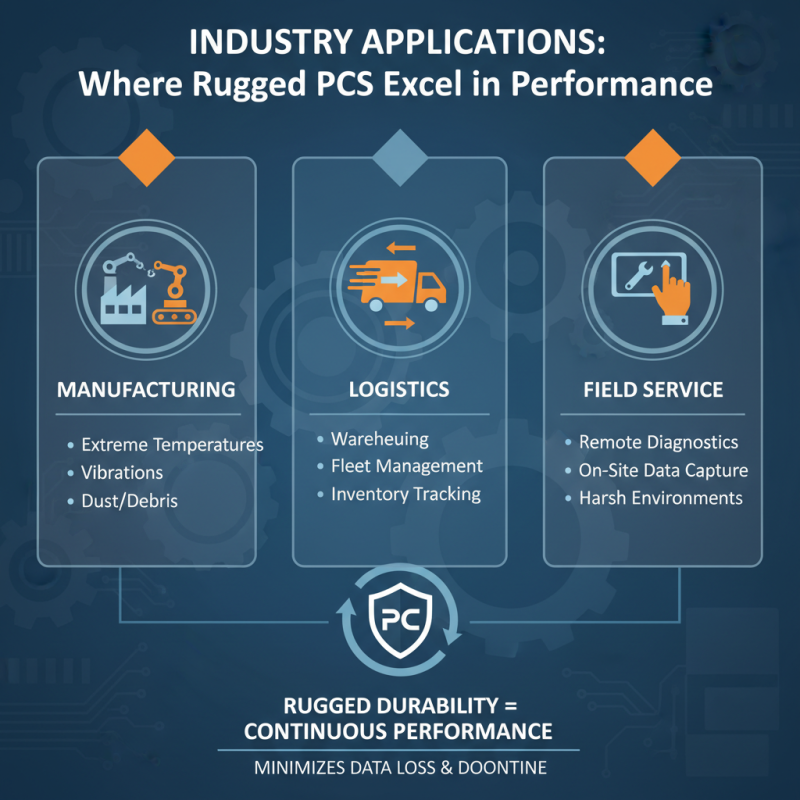
Rugged PCs are designed to endure harsh environments. Manufacturing, logistics, and field service often require robust technology. These devices excel in areas with extreme temperatures, vibrations, and dust. Their durability ensures continuous performance, minimizing data loss and downtime.
In construction, rugged PCs can withstand shocks and grime. They allow workers to access critical project data on-site. Precision tools often generate data, and rugged PCs can handle complex information efficiently. Operators can troubleshoot problems in real-time, enhancing productivity and safety.
**Tip:** Choose models with higher IP ratings for maximum dust and water resistance. This helps ensure longevity and reliability in tough conditions.
For field service, portability is key. Rugged PCs offer lightweight designs without compromising strength. Workers can easily carry them while operating heavy machinery. This accessibility can lead to quicker response times and improved customer satisfaction.
**Tip:** Look for long battery life to avoid interruptions during the workday. A dependable power source keeps teams connected and informed.