How to Choose the Right Industrial Panel PC for Your Needs?
Choosing the right industrial panel PC is crucial for maximizing productivity. As industry expert John Smith once stated, "Not all industrial panel PCs are created equal." This highlights the importance of understanding your specific needs. Every manufacturing environment is unique, making it essential to select an industrial panel PC that can seamlessly integrate into your operations.
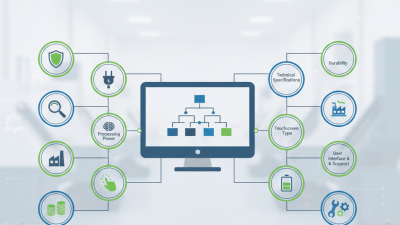
When considering an industrial panel PC, think about factors like processing power, display size, and environmental resilience. For instance, a robust panel PC can withstand vibrations and extreme temperatures. Some options may seem perfect on paper, but they might not fit your real-world applications. It's important to reflect on how the device will be used daily.
Mistakes happen often in choosing the ideal device. It’s easy to overlook essential factors, such as connectivity options or software compatibility. Inadequate research can lead to costly decisions. Knowing what you truly need can prevent these missteps and ensure a successful investment in an industrial panel PC.
Understanding the Basics of Industrial Panel PCs
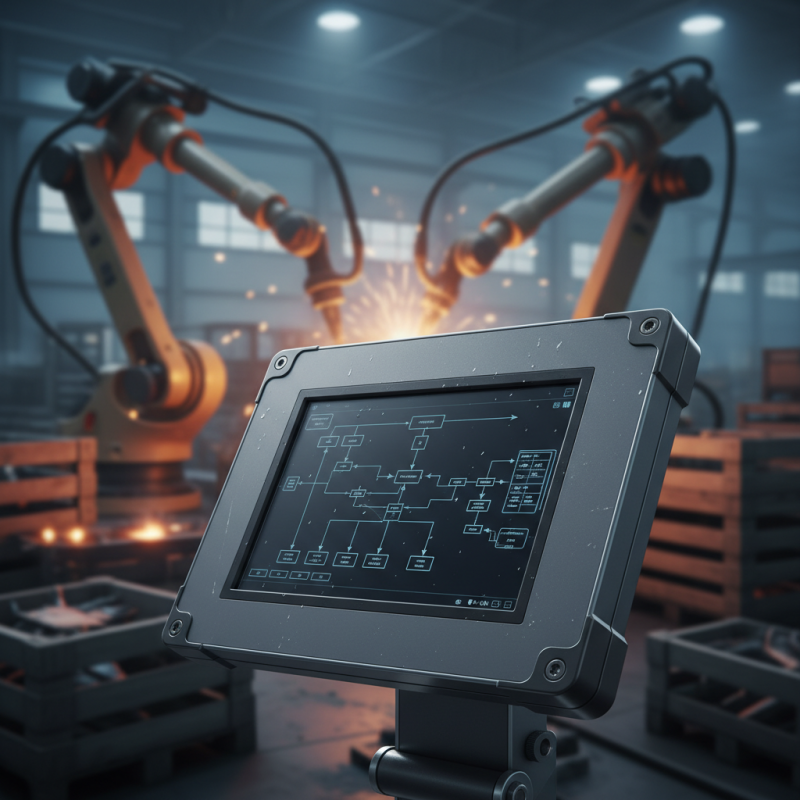
Industrial Panel PCs combine advanced computing power with robust design. These devices are essential for various industries. According to a recent report by MarketsandMarkets, the industrial PC market is projected to grow from USD 3.77 billion in 2020 to USD 6.67 billion by 2025. This growth highlights the increasing reliance on technology in manufacturing and automation.
Understanding the basic features of industrial panel PCs is crucial. They usually feature touchscreen interfaces for easy operation. Many models are designed to withstand harsh environments. This includes high temperatures, humidity, and dust. The IP rating often determines their resistance. For instance, an IP67 rating means the device is dust-tight and can withstand water immersion. However, this ruggedness often comes with higher price tags.
Selecting the right specifications can be tricky. The choice of processor, memory, and potentially storage can affect performance drastically. Some businesses err by overestimating their needs. Others choose underpowered systems, resulting in inefficiency. Performance benchmarks should guide these decisions. Pay attention to the intended application. An error in selection can lead to costly downtime or necessitate early replacements.
Identifying Your Specific Application Requirements
Choosing the right industrial panel PC begins with understanding your specific application requirements. Whether you're in manufacturing, logistics, or automation, the right specs matter. According to a report by MarketsandMarkets, the industrial PC market is projected to reach $6.69 billion by 2024, reflecting the growing importance of reliable computing in harsh environments.
Identify your needs carefully. Will the panel PC be used in extreme temperatures? A rugged model might be necessary. If your tasks involve complex graphics, ensure the device has adequate processing power. Attention to these details can save you from costly downtimes and inefficiencies.
Tips: Assess your environment. Dusty or wet locations? Choose a model with IP protection. Think about your team too. User-friendly interfaces can boost productivity significantly.
Consider future needs. Technology evolves quickly. Choosing a versatile model can safeguard against obsolescence. Be aware that many users overlook compatibility with existing systems. This can lead to integration challenges down the line. Take time to evaluate all aspects thoroughly for the best results.
Comparison of Key Features in Industrial Panel PCs
This bar chart illustrates the comparison of key features for various types of industrial panel PCs suitable for different application needs. The features evaluated include Processing Power, Memory, Storage, and Display Size.
Evaluating Key Features and Specifications
When selecting an industrial panel PC, evaluating key features is essential. Start with the processor. A powerful CPU can significantly impact performance. A study found that over 70% of operations improve with better processing power. For many applications, dual-core processors suffice, but complex tasks may need quad-core options.
Next, consider display specifications. Brightness and resolution matter. A bright display reduces glare in industrial environments. According to industry data, a 1000 nits display enhances visibility in harsh lighting. Touchscreen capabilities can improve usability, but ensure that the screen supports multi-touch functionality.
Storage options also play a crucial role. Solid State Drives (SSDs) offer faster data access compared to traditional Hard Disk Drives (HDDs). Research indicates SSDs can improve boot times by up to 30%. However, they tend to cost more. Evaluate your needs versus budget; this balance can be tricky. Improper choices may lead to performance bottlenecks. Understanding these details will guide you in making a more informed selection.
Comparing Different Brands and Models
When choosing an industrial panel PC, comparing different brands and models is crucial. The market is flooded with options, making the decision daunting. A study from MarketsandMarkets indicates that the global industrial PC market is projected to reach $6.5 billion by 2025. This growth highlights the increasing need for robust computing solutions in industrial settings.
Different models offer varied features and performance levels. For instance, some may prioritize ruggedness for harsh environments, while others excel in processing power for complex tasks. Understanding specifications like CPU, memory, and display types can greatly influence your choice. According to a report from Research and Markets, factors like operating temperature range and IP rating impact longevity.
However, not every model lives up to its promise. Many users report issues with software compatibility or lackluster customer support. It's essential to consider these aspects. Read reviews, and analyze user experiences to get a clearer picture. Investing time in comparison can prevent costly mistakes down the road. Being informed leads to better decisions and ultimately ensures that the panel PC meets your specific needs.
How to Choose the Right Industrial Panel PC for Your Needs? - Comparing Different Brands and Models
| Model |
Processor Type |
Display Size |
Resolution |
RAM |
Storage |
Operating Temperature |
IP Rating |
| Model A |
Intel Core i5 |
15.6 Inch |
1920 x 1080 |
8 GB |
256 GB SSD |
-20°C to 60°C |
IP65 |
| Model B |
Intel Core i7 |
17.3 Inch |
1920 x 1080 |
16 GB |
512 GB SSD |
-20°C to 70°C |
IP67 |
| Model C |
AMD Ryzen 5 |
21.5 Inch |
1920 x 1080 |
8 GB |
1 TB HDD |
-10°C to 50°C |
IP54 |
| Model D |
Intel Atom |
12.1 Inch |
1280 x 800 |
4 GB |
64 GB eMMC |
0°C to 50°C |
IP66 |
Considering Budget and Long-Term Support Options
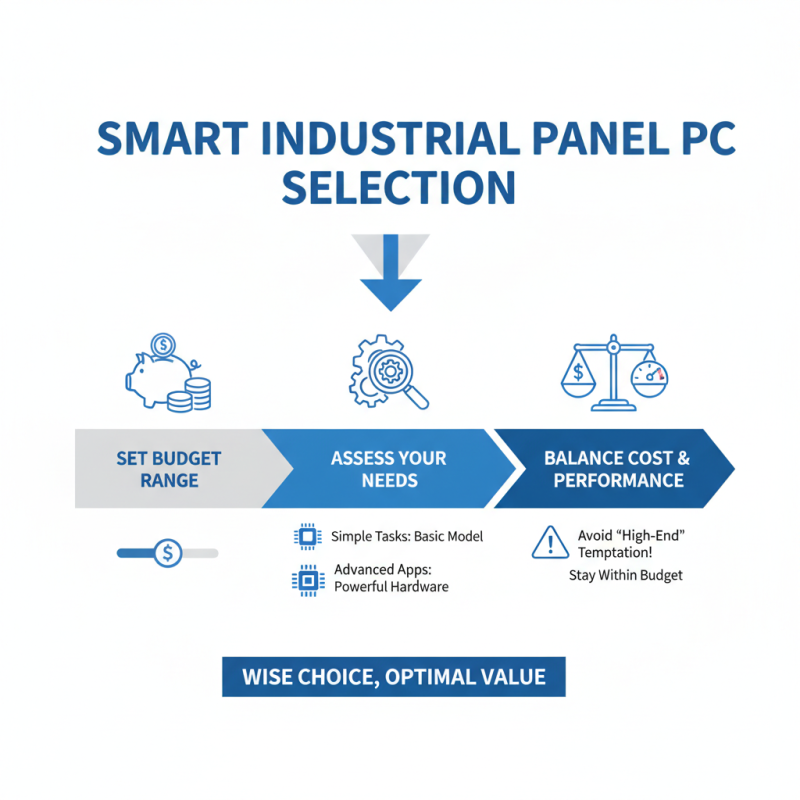
When selecting an industrial panel PC, budget plays a crucial role. It's essential to set a clear budget range before diving into options. Understand your needs and the features you require. For example, a basic model may suffice for simple tasks. However, advanced applications might need more powerful hardware. Balancing performance and cost is key. It's easy to get tempted by high-end models, but this could stretch your budget thin.
Long-term support options are just as important as price. Look for manufacturers that offer comprehensive support plans. This may include regular updates, hardware replacements, and responsive customer service. A machine that breaks down often will incur additional costs, far beyond the initial price. Check reviews and testimonials regarding support experiences. It is beneficial to choose products backed by a warranty, ensuring peace of mind.
Reflecting on your choices can prevent future headaches. Think about the evolving needs of your business. Will your chosen panel PC still be suitable in a few years? Technology evolves quickly, and what works today may feel outdated tomorrow. The right decision now can save you from a costly replacement down the line. Balancing budget and support requires careful consideration to find what works best for your specific situation.