What is a Rugged Computer System and Why is it Important?
In today’s demanding environments, the importance of rugged computer systems cannot be overstated. These specialized systems are designed to withstand extreme conditions, such as harsh temperatures, vibrations, and moisture. Expert Sarah Thompson, a leading figure in the rugged computing industry, stated, “Rugged computers are built to endure where standard devices fail.” This highlights their essential role in industries like military, manufacturing, and transportation.
Rugged computer systems offer reliability where it matters most. For instance, in a construction zone, a typical laptop might not last a day. The need for durability often outmatches the allure of sleek designs. Companies recognize that investing in rugged devices can save costs in the long run. However, there is a misconception that all rugged systems are unbreakable. Even the best can malfunction under severe stress, leading to unforeseen challenges.
As technology advances, the question remains: are we fully utilizing rugged computer systems? Many organizations still cling to outdated technology. There is a need for more research and investment. Addressing these gaps is essential for maximizing efficiency and performance in critical operations. Understanding the true importance of rugged computer systems is crucial in our ever-evolving landscape.
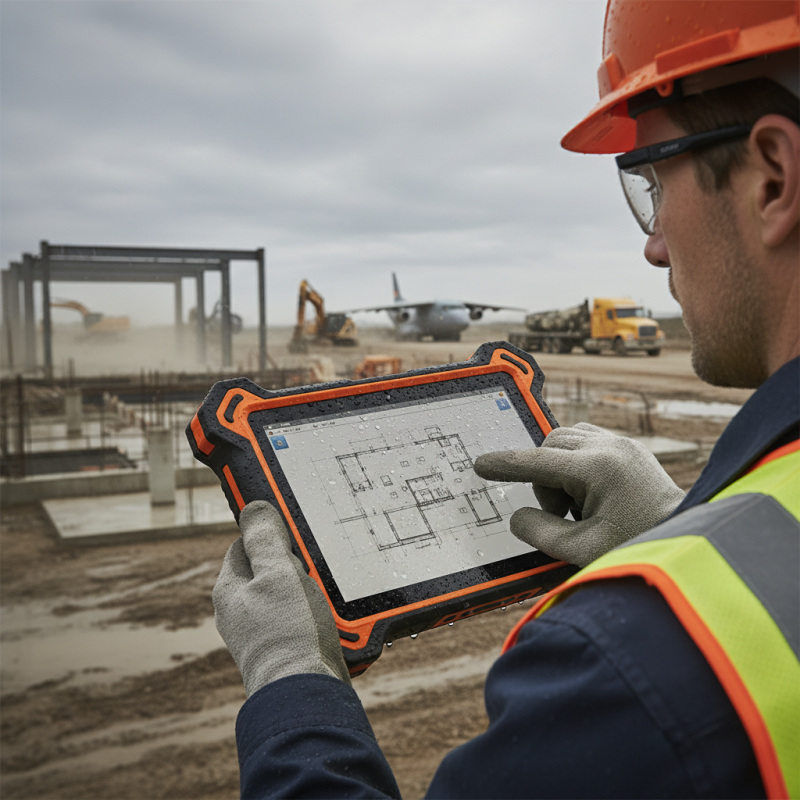
Definition and Characteristics of Rugged Computer Systems
Rugged computer systems are specially designed for challenging environments. These devices can withstand extreme temperatures, vibrations, and moisture. According to a recent study from MarketsandMarkets, the rugged computing market is expected to grow significantly, reaching over $3 billion by 2025. This growth reflects a rising demand for reliable technology in sectors like manufacturing, military, and construction.
One key characteristic of rugged computers is their durability. They often pass stringent MIL-STD-810G tests, ensuring they can endure harsh conditions. Their enclosures are sealed to protect against dust and water. The average lifespan of rugged devices can exceed ten years, making them a financial asset. However, rugged systems can be more expensive upfront, leading some companies to hesitate. They might question whether the investment is justified.
Another defining trait of rugged computers is their adaptability. These systems can operate in various scenarios, from outdoor job sites to industrial facilities. Additionally, many rugged devices offer specific configurations tailored to unique workflows. Despite these advantages, some users might find the interface less user-friendly compared to standard computers. This can lead to frustration during adaptation. Understanding both benefits and limitations is essential for effective deployment of rugged technology.
Key Industries Utilizing Rugged Computer Technology
Rugged computer systems are essential in various industries. They withstand harsh environments, vibrations, and extreme temperatures. This durability is crucial for sectors like construction, military, and transportation. In these fields, accidents can happen. Traditional computers may fail under pressure, leading to costly downtime.
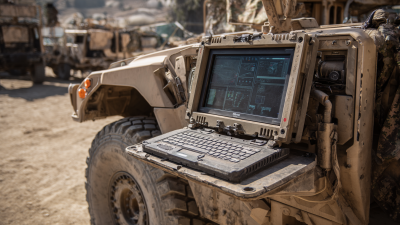
The military relies heavily on rugged computers. They are used in communication, navigation, and surveillance. These systems are designed to function effectively in combat zones. However, sometimes they may not perform as expected. Regular testing and updates can mitigate this issue.
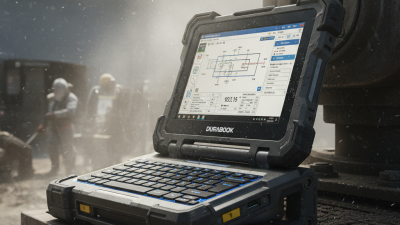
Construction sites often expose machines to dust and water. Rugged computers help ensure accurate data collection in such environments. Operators can face challenges with device maintenance. It’s essential to train staff on basic troubleshooting. This practice can extend the life of rugged equipment.
Transportation companies also benefit from rugged technology. GPS and tracking systems need reliable performance. Adverse weather conditions pose risks. Still, some businesses underestimate device protection. Not every rugged computer meets every need. Research is vital before making purchases.
Rugged Computer Systems Usage in Key Industries
Standards and Certifications for Rugged Computer Systems
Rugged computer systems are designed to withstand harsh environments. They are vital in industries like military, construction, and manufacturing. Standards and certifications for these systems ensure reliability and performance. For example, the MIL-STD-810G certification tests devices against extreme temperatures, shocks, and vibrations. Compliance with such standards is crucial for any rugged computing needs.
According to recent industry studies, nearly 70% of organizations report failures due to inadequate ruggedization. This can lead to costly downtimes. Therefore, selecting systems that meet established benchmarks is essential for operational efficiency. Another important standard, IP65, ensures protection against dust and water. Devices with this rating can survive in tough outdoor conditions.
Tip: Always verify the certification of any rugged system you consider. Don’t rely solely on marketing claims. Understand what each certification entails. This can greatly influence your decision process. The right rugged computer can save you from future headaches. Make informed choices based on verified data, not just glossy brochures.
Benefits of Rugged Computers in Harsh Environments
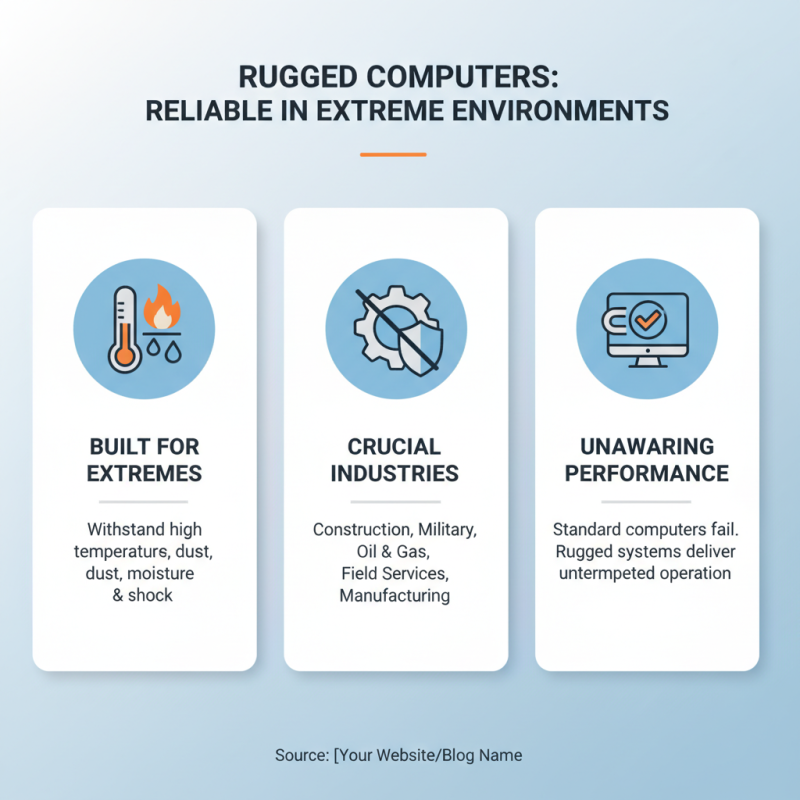
Rugged computers play a crucial role in harsh environments. These systems are designed to withstand extreme conditions, like high temperatures, dust, and moisture. They are vital in industries such as construction, military, and oil and gas. In these settings, standard computers often fail. Rugged systems deliver reliable performance.
One of the main benefits is their durability. Rugged computers often pass rigorous testing. They can endure shock and vibration. This reliability means less downtime in critical operations. Workers can count on them to function under pressure. Additionally, many rugged devices come with enhanced connectivity options. They support wireless communication even in remote locations. That keeps teams connected.
Yet, using rugged systems can have challenges. They may be bulkier than standard computers. Sometimes, they sacrifice performance for durability. This trade-off can affect workflows. However, in environments where failure is not an option, this balance is essential. Companies must weigh the importance of reliability against potential drawbacks.
Market Growth and Trends in the Rugged Computing Industry
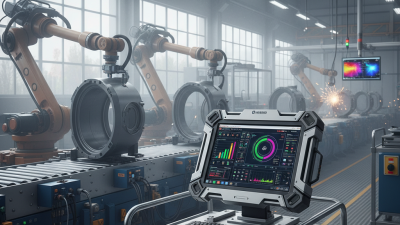
The rugged computing industry is experiencing significant growth. Businesses are increasingly recognizing the need for durable computer systems. These systems operate in harsh environments. Industrial sectors like manufacturing and logistics require such technology. They often face dust, moisture, and extreme temperatures. A rugged computer system can withstand these conditions.
Emphasis on mobile technology is also a trend. Organizations want portable yet tough devices. This demand drives innovation in the rugged computing market. The rise of the Internet of Things (IoT) further fuels this growth. More industries are beginning to integrate rugged systems into their operations.
Tips for choosing rugged computers include considering environment specifications. Ensure the device meets your specific needs. Look for features like shock resistance and water proofing. Understand that not all rugged devices are equal. Evaluate their performance and resilience. Analyze long-term reliability and cost-effectiveness.