Top Dc Charging Connector Types for 2026 What to Know?
As the electric vehicle (EV) market continues to expand, Dc Charging Connectors play a crucial role in this evolution. Industry data shows that the global EV market is projected to reach over 26 million units by 2030. This surge necessitates reliable and efficient charging solutions. DC charging connectors are essential for rapid charging, enabling vehicles to charge significantly faster than standard AC systems.
The market is witnessing diverse connector types, each catering to various regional standards and user preferences. According to a recent report by the International Energy Agency (IEA), the demand for fast-charging infrastructure is expected to grow by 50% annually. This trend emphasizes the importance of understanding the different DC charging connector types available by 2026.
However, not all connectors are created equal. Some may become obsolete as new technologies emerge. Stakeholders in the EV ecosystem must stay informed about advancements in connector designs and standards. This knowledge helps in making better decisions regarding infrastructure investments and compatibility. The landscape of DC charging connectors is rapidly changing, reflecting both opportunities and challenges for future developments.
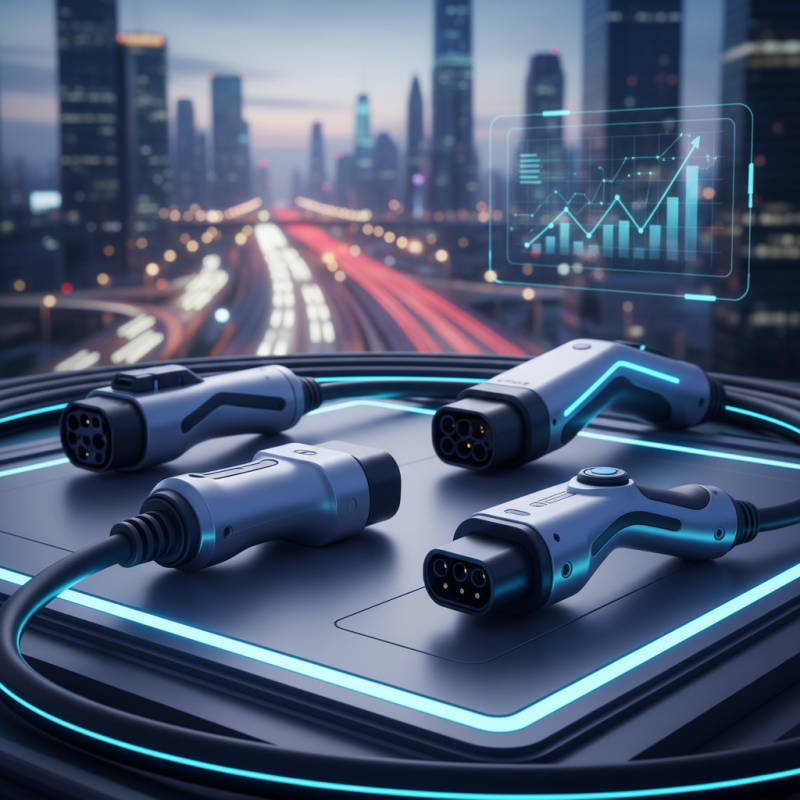
Top DC Charging Connector Types for 2026: An Overview of Key Standards
As electric vehicles (EVs) continue to gain popularity, understanding DC charging connector types is crucial for the future. Key standards in DC charging molds the landscape for EV infrastructure. In 2026, different connector types will likely dominate the market, impacting charging speed and compatibility.
The CCS (Combined Charging System) remains a major player, designed for fast charging. It combines AC and DC charging into one connector. This versatility is essential as it meets diverse consumer needs. Meanwhile, the CHAdeMO connector, originating from Japan, focuses on rapid charging and is expanding its reach globally. With both connectors appealing to different markets, their competition fosters advancements in EV charging technology.
Hybrid solutions are also emerging, bridging gaps between different systems. However, the lack of uniformity poses challenges for users and manufacturers. As we approach 2026, these evolving connector types will require careful consideration. Exploring their designs, capabilities, and limitations will be vital for developers and consumers alike. Understanding these connectors will help shape a more efficient charging ecosystem for everyone.
Understanding the Importance of CCS, CHAdeMO, and Tesla Connectors
In the ever-evolving landscape of electric vehicle (EV) charging, understanding the various connector types is crucial. CCS, CHAdeMO, and Tesla connectors each serve specific roles in the charging ecosystem. CCS (Combined Charging System) has gained popularity for its high charging speeds. It's widely supported across many EV models, making it a common choice. However, not all models are compatible, so it's important for users to check compatibility before charging.
CHAdeMO, another prominent connector, is favored primarily among several Japanese automakers. It allows for quick charging, but is less common in newer models. Some believe it may fall behind CCS due to the latter's growing adoption. Yet, CHAdeMO offers a reliable option, especially for those with compatible vehicles.
Tesla connectors stand out due to their exclusivity. They provide fast charging at Tesla stations. However, accessibility can be an issue for drivers of other brands. Critics argue that this could hinder the broader adoption of EVs. With various connectors in play, it's essential for users to remain informed about their options. Understanding these types can help maximize charging efficiency and improve the overall EV experience.
Market Trends: Projected Growth of DC Fast Charging Infrastructure by 2026
The demand for DC fast charging infrastructure is set to surge by 2026. As electric vehicle (EV) adoption increases, cities and companies are making significant investments. This trend promises to reshape how we think about transportation and charging needs.
Market research indicates that the DC charging market will experience substantial growth. Analysts predict that charging stations will triple in number within a few years. As a result, consumers will have more access, leading to increased confidence in electric mobility. However, challenges remain. Not all areas will see equal development, and some regions may lag in infrastructure expansion.
Additionally, different charging connector types will emerge. Compatibility issues may arise with varying standards that exist today. Stakeholders need to prioritize interoperability to avoid confusion. The next few years will be crucial for establishing a reliable, user-friendly charging ecosystem. Collaboration between manufacturers and policymakers is essential for a seamless transition.
Comparative Analysis of Charging Speeds and Compatibility among Connector Types
When exploring DC charging connector types for 2026, understanding charging speeds and compatibility is crucial. The major connector types include CCS, CHAdeMO, and Tesla's proprietary connector. According to a recent report by the International Energy Agency, CCS offers up to 350 kW charging speeds, making it a preferred choice for many new electric vehicles (EVs). In contrast, CHAdeMO supports speeds up to 100 kW, which could be limiting for fast chargers as the market evolves.
Compatibility remains a significant challenge, especially as manufacturers adopt different standards. The CCS connector has gained widespread acceptance, with over 80% of global fast charging stations supporting it. CHAdeMO, while popular in Japan, holds a smaller share globally. Many EV users report confusion due to varying connector types at public charging stations. Reports indicate potential underutilization of chargers simply due to compatibility issues. This highlights a need for standardization. The shift towards universal connectors may help streamline the user experience, but the transition won't be instant.
Indeed, while the evolution of these connectors appears optimistic, the reliance on evolving technology may present pitfalls. Existing infrastructure may struggle to keep pace with rapid advancements. As charging speeds increase, the energy demands on the grid will rise. This raises questions about sustainability. Continuous monitoring and adaptive planning will be critical as we move into this complex landscape.
Future Innovations: What’s on the Horizon for DC Charging Connectors?
The future of DC charging connectors holds exciting possibilities. As electric vehicles (EVs) gain popularity, innovations are essential. New connector designs may focus on faster charging and improved efficiency. Standardization is a key area of development to simplify the charging experience for users.
Innovative connectors could also prioritize safety features. This includes built-in communication systems to prevent overheating. These advancements aim to ensure user confidence while charging at various stations. Integration with renewable energy sources may also be on the horizon, allowing eco-friendly charging solutions.
Tips: When considering future connectors, think about compatibility with your vehicle. Stay updated on industry standards as they evolve. Be aware of your charging needs to advocate for better solutions. The landscape of DC charging connectors is changing rapidly, and adaptation is crucial. Embrace these changes, but also reflect on what works best for you.


